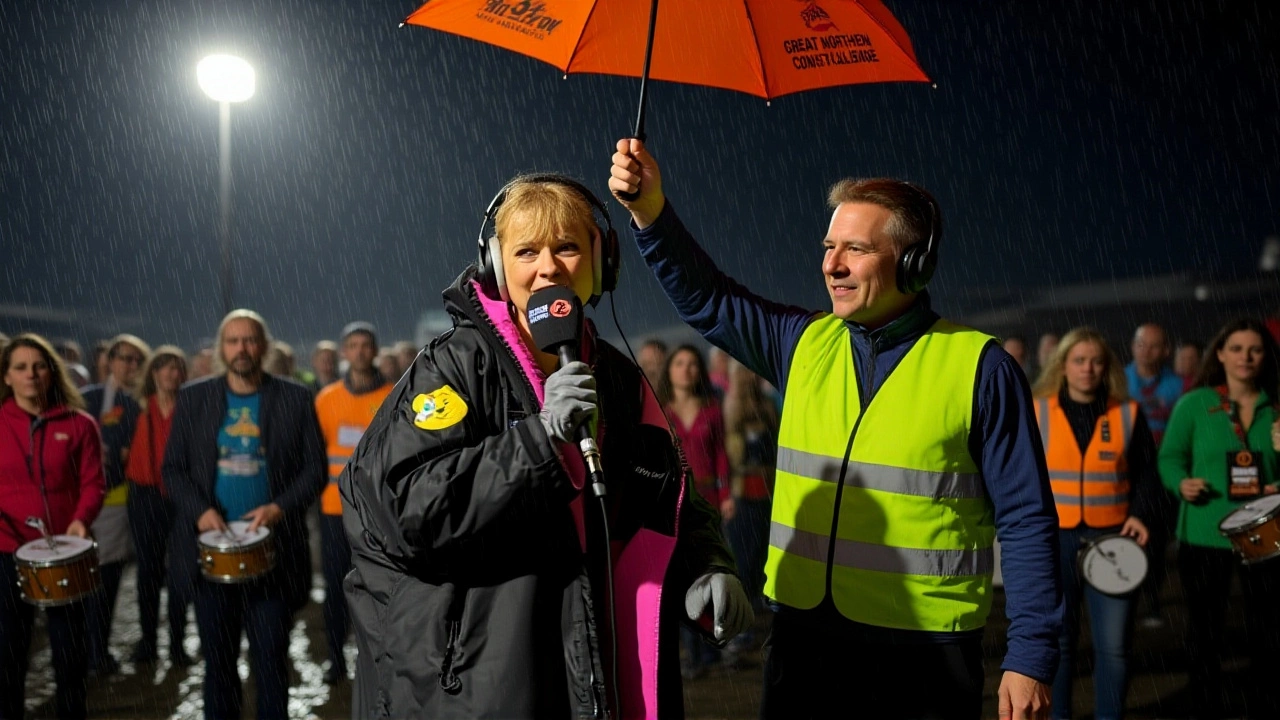
On Tuesday, the New York City Council unanimously passed a sweeping ban on single-use plastic bags, marking the most aggressive step yet in the city’s fight against plastic pollution. The law, set to take effect in January 2026, will make it illegal for retailers to hand out thin plastic bags — the kind that rustle and tear at the slightest tug — at checkout counters across all five boroughs. The move comes after years of failed attempts and a growing chorus of environmental advocates who say the city’s 5 billion plastic bags per year are choking waterways, killing wildlife, and leaching toxins into the soil.
Why This Ban Is Different
Previous efforts, including a 2019 fee on plastic bags, barely made a dent. Stores still handed out bags like candy, and shoppers shrugged off the 5-cent charge. This time, it’s a full stop — no exceptions for grocery chains, pharmacies, or bodegas. The twist? The city isn’t just banning the bags; it’s also requiring stores to offer reusable bags for sale at a minimum of 10 cents each, with proceeds going to the city’s Environmental Clean-Up Fund. The council also allocated $2.3 million to distribute free reusable bags to low-income neighborhoods, where plastic waste has been most concentrated.
"It’s not about inconvenience — it’s about survival," said Crystal Rivera, a council member from the Bronx who sponsored the bill. "We’ve seen sea turtles with plastic bags in their stomachs. We’ve seen storm drains clogged with them. And we’ve seen kids in Queens breathing air polluted by microplastics from degraded bags. This isn’t a lifestyle choice. It’s a public health crisis."
The Hidden Health Costs
What many don’t realize is that plastic bags don’t just pollute the streets — they pollute the lungs. A 2023 study by the NYC Department of Health and Mental Hygiene found that neighborhoods with the highest plastic bag usage also had 22% higher rates of childhood asthma. The theory? Wind-borne microplastics from degraded bags settle on rooftops, enter ventilation systems, and cling to dust particles that children inhale. The council’s health committee cited this data repeatedly during hearings.
Even the plastic bag industry has started to quietly back off. The Plastic Packaging Alliance, which spent $1.2 million lobbying against the 2019 fee, didn’t even show up to testify this time. "We’re not fighting a losing battle anymore," admitted a former lobbyist who spoke anonymously. "The science is too loud. The public is too angry."
What Comes Next?
Stores have until January 2026 to clear inventory and retrain staff. The city will launch a public education campaign starting this fall, featuring ads on subways and billboards that show plastic bags turning into dust in children’s bedrooms. Community groups are already organizing "bag swap" events, where residents can trade plastic bags for durable cotton or recycled polyester totes.
But the real test will be enforcement. Last year, a similar ban in San Francisco saw a 70% drop in plastic bag litter within six months — but only after inspectors began fining stores $250 per violation. New York plans to start with warnings, then escalate to fines of $100 for repeat offenders. "We’re not trying to punish small businesses," said Deputy Mayor Elena Torres. "We’re trying to change behavior. And we know behavior changes when it’s easier to do the right thing than the wrong one."
Global Ripple Effects
New York’s move could spark a domino effect. Chicago is already drafting a similar law. Philadelphia is considering a ban on plastic produce bags. And in Europe, where plastic bag bans have been in place for years, the U.S. is now seen as the last major holdout. "New York isn’t just cleaning up its streets," said Dr. Arjun Mehta, a global waste policy expert at Columbia University. "It’s sending a signal: if the world’s largest city can do this, so can you."
The city estimates the ban will eliminate 4,700 metric tons of plastic waste annually — the equivalent of 1.2 million garbage bags worth of material. That’s enough to fill the entire Central Park lake twice over.
What About Paper Bags?
Some critics argue that switching to paper bags just trades one problem for another. But the council’s environmental impact report found that paper bags used in New York have, on average, 42% recycled content and are fully compostable in municipal facilities. Plus, they’re far less likely to become airborne litter. The city is also working with paper suppliers to ensure no old-growth forests are being cut down.
"We’re not perfect," admitted Councilwoman Rivera. "But we’re moving in the right direction. And for the first time in decades, we’re not just talking about the problem — we’re solving it."
Frequently Asked Questions
How will this ban affect low-income residents?
The city is distributing over 500,000 free reusable bags to households in neighborhoods with the highest poverty rates, including parts of the Bronx, Brooklyn, and Staten Island. SNAP and WIC recipients will also receive a $5 voucher for reusable bags at participating stores. The goal is to ensure cost isn’t a barrier to compliance.
What happens if a store still gives out plastic bags after January 2026?
First-time offenders will receive a written warning. A second violation within a year triggers a $100 fine, and subsequent violations increase to $250 per incident. The Department of Sanitation will conduct random inspections, and residents can report violations through a new city app. Enforcement will focus on repeat offenders, not small vendors.
Are there any exceptions to the ban?
Yes. Plastic bags used for bulk items like produce, meat, or pharmacy prescriptions are still allowed. So are bags for frozen foods, dry cleaning, and trash liners. The ban targets only the thin, carry-out bags typically used for groceries and retail purchases — the kind most likely to end up as litter.
Why did it take so long for New York to act?
Earlier attempts were blocked by powerful retail lobbies and fears of economic impact on small businesses. But public opinion shifted dramatically after 2020, when images of plastic bags tangled in the Hudson River’s wildlife went viral. The pandemic also changed behavior — people became more aware of environmental health links. That cultural shift made the ban politically feasible.
How does this compare to other U.S. cities?
Los Angeles and Seattle have had bans since 2015, but New York’s is the first to include a mandatory fee on paper bags and a public funding component for reusable bags. It’s also the first to tie the policy directly to public health data on asthma rates. With 8.5 million residents, New York’s ban will have the largest population impact of any U.S. city to date.
What’s the long-term goal of this policy?
The city aims to reduce all single-use plastic waste by 60% by 2030. This bag ban is the first pillar. Next up: restrictions on plastic straws, cutlery, and food containers. Officials are already drafting legislation to target Styrofoam takeout containers — the next biggest source of non-biodegradable waste in the city’s landfills.